Expanded $50,000 claim limit, digital portals and key litigant FAQs shape Ontario Small Claims Court
The monetary ceiling rises from $35,000 to $50,000, HRTO orders can be enforced directly, the appeal threshold climbs to $5,000, and online filing becomes the norm for everyday contract, debt and property disputes.

Updates
- Arjun Vishwanth@arjunvishwanthTransportation & Civil Litigation
Deadlines, costs and enforcement: what litigants ask most
The basic limitation period is two years from discovery of the loss. A plaintiff must serve the Plaintiff's Claim (Form 7A) within six months; the defendant then has 20 days to serve and file a Defence (Form 9A), and every defended case gets a mandatory settlement conference, typically within 90 days. Cost awards are capped at 15% of the amount claimed (20% where a formal Offer to Settle is beaten), and winning a judgment does not collect the money — creditors enforce through garnishment, writs of seizure and sale, or examination hearings. With claims now reaching $50,000, procedural missteps can permanently jeopardize a case.
 Maryam Noorzad@maryamnoorzadCorporate & Commercial
Digital filing and online hearings become the default
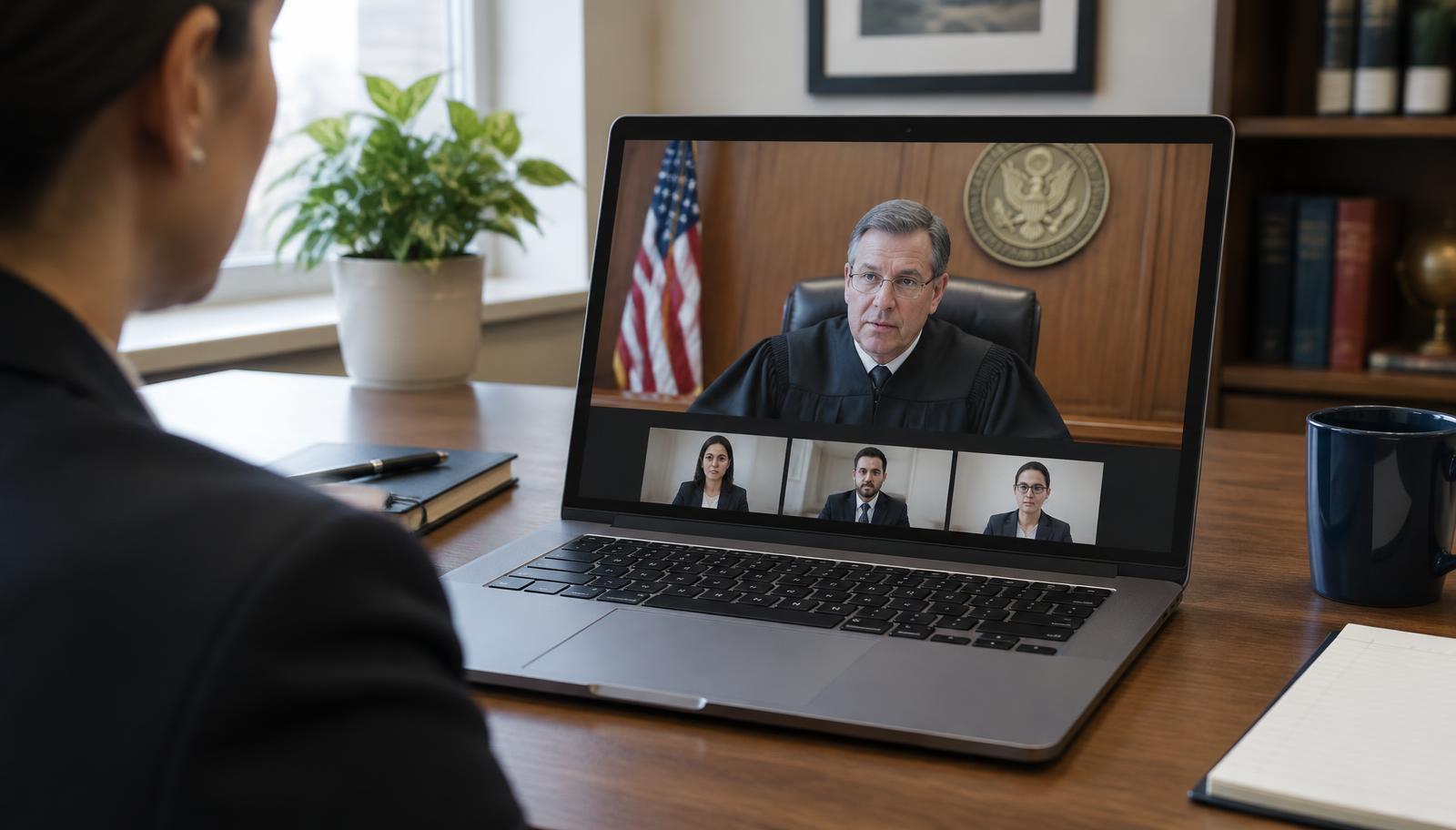
Litigants increasingly initiate claims, file defences and upload hearing evidence online through the Small Claims Court Submissions Online Portal and Case Center, while many settlement conferences continue by videoconference under the Rules of the Small Claims Court. Claims over $50,000 must either waive the excess or proceed in Superior Court (including Simplified Procedure up to $200,000) — a single claim cannot be split into multiple Small Claims actions.

 Vyshnavie Manmatharajah@vyshnaviemanmatharajahArticling Student at Law
Appeal threshold rises to $5,000 — most smaller decisions are now final
Under Ontario Regulation 626/00, a party can only appeal a final Small Claims Court judgment to the Divisional Court if the judgment amount exceeds $5,000 (up from $3,500). The change makes most smaller decisions final, raising the stakes on getting the claim, the evidence and the settlement conference right the first time.
 Leena Kumar@leenakumarFamily, Civil & Insolvency
The $50,000 ceiling — and direct enforcement of HRTO orders
Litigants can now sue for up to $50,000 per plaintiff (excluding interest and court costs) for money owed or the return of personal property, keeping many unpaid invoices, contractor disputes and smaller wrongful dismissal claims out of the costlier Superior Court. Applicants seeking to enforce unpaid monetary orders from the Human Rights Tribunal of Ontario can also file directly in Small Claims Court up to the same threshold, as noted by the Human Rights Legal Support Centre.

- First postArjun Vishwanth@arjunvishwanthTransportation & Civil Litigation
First post: the 'People's Court' takes on a broader wave of disputes
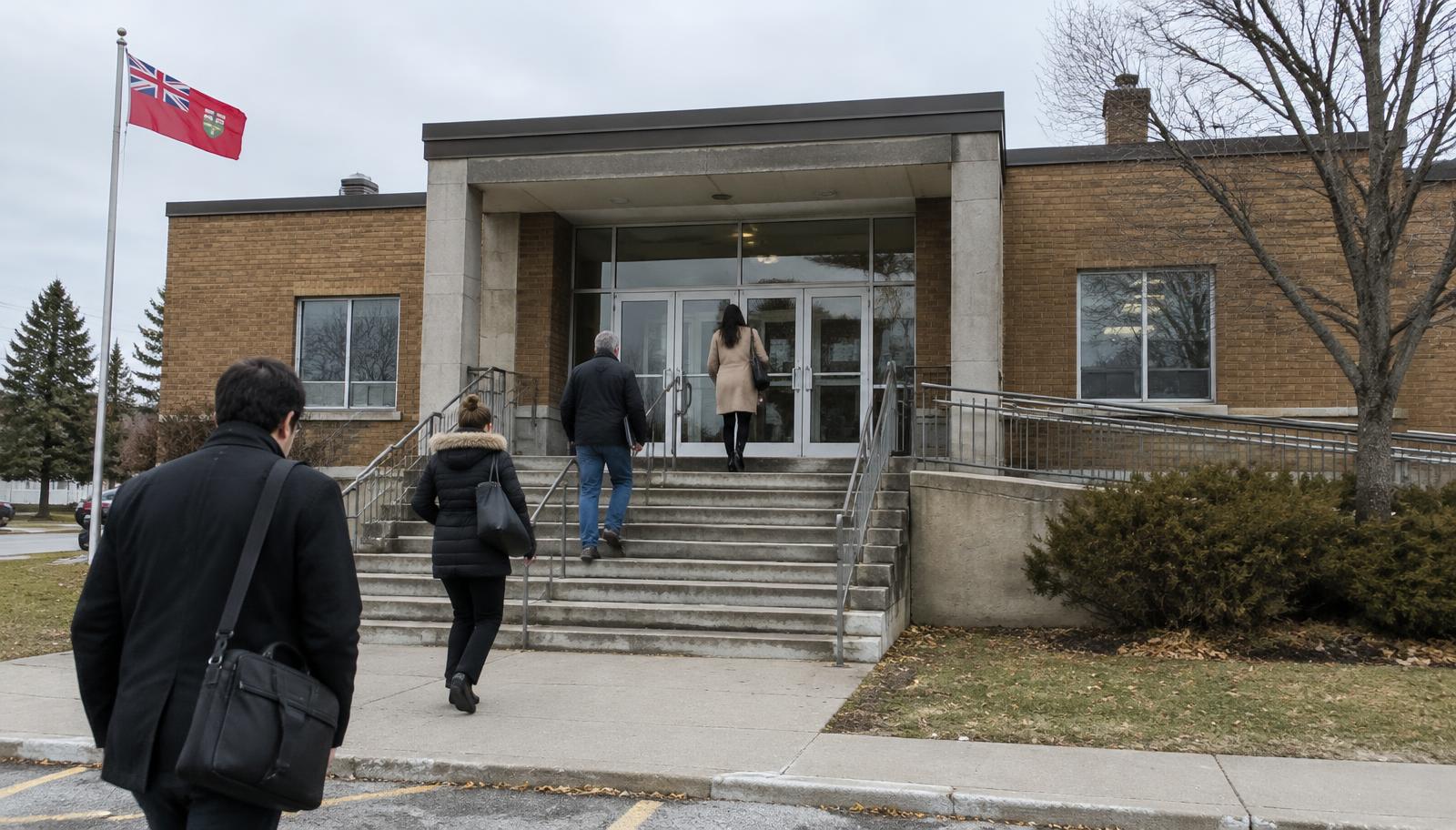
Ontario's Small Claims Court is handling a broader wave of civil and commercial disputes in 2026 following the increase of its monetary limit from $35,000 to $50,000 (effective October 1, 2025 under O. Reg. 42/25). Alongside expanded digital filing tools and a higher appeal threshold, self-represented litigants and small businesses face updated procedural rules across everyday contract, debt and property claims.
- O. Reg. 42/25 — Small Claims Court monetary limit increase to $50,000 (effective October 1, 2025)
- Ontario Regulation 626/00 — $5,000 appeal threshold to the Divisional Court
- Rules of the Small Claims Court — Rule 12.01 (amendments)
- Human Rights Legal Support Centre — enforcing HRTO monetary orders in Small Claims Court
- Ministry of the Attorney General — Guide to Procedures in Small Claims Court
- Limitations Act, 2002 — basic two-year limitation period
Ask Arjun and our team.
Tell us briefly what's happening. We'll reply by email.
General information only, not legal advice. Reading this page does not create a lawyer-client relationship.