Bill C-39: What it means for Canadian trucking companies
Our transportation team is following the bill and what each part could mean for mid-sized fleets, owner-operators and drivers.

Updates
- Arjun Vishwanth
Driver classification: where audits may focus
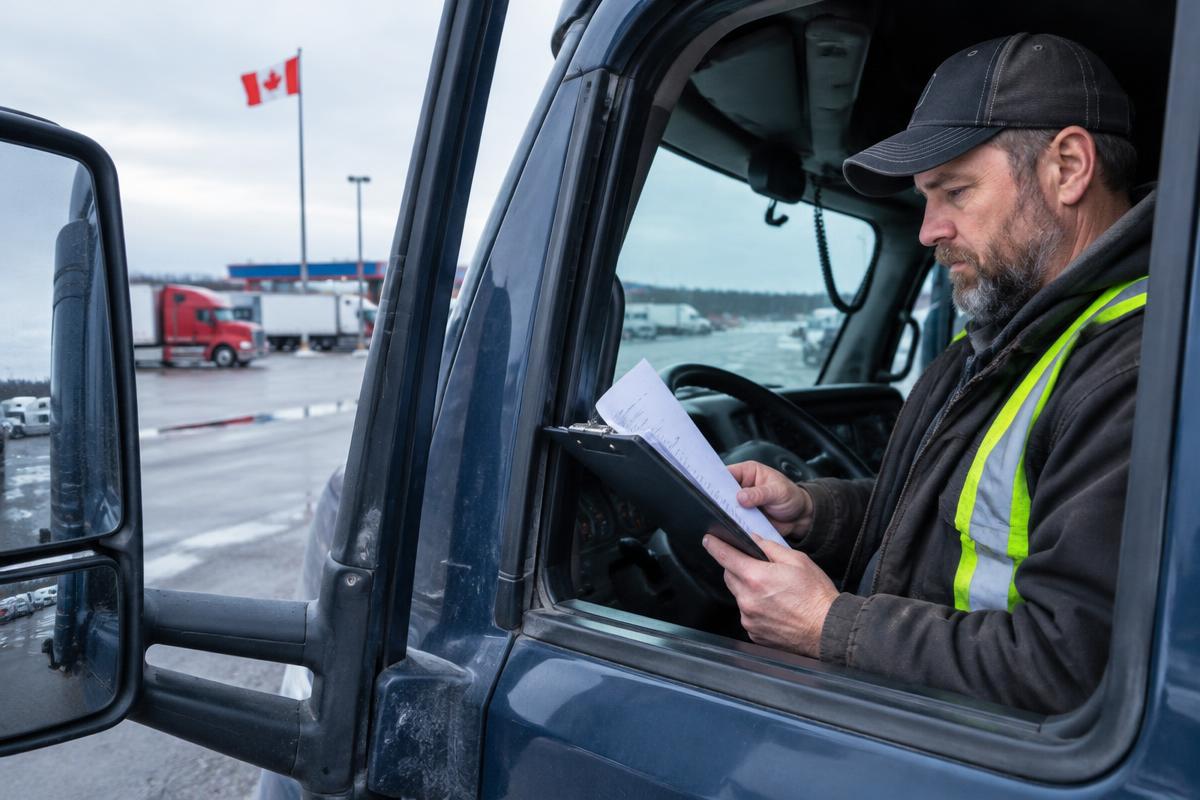
The bill targets misclassifying employees as independent contractors. Carriers using owner-operator or incorporated-driver models should review their agreements now. Every fleet is different — the right structure depends on the facts.
- Arjun Vishwanth
Port and rail disputes: a set sequence before a stoppage
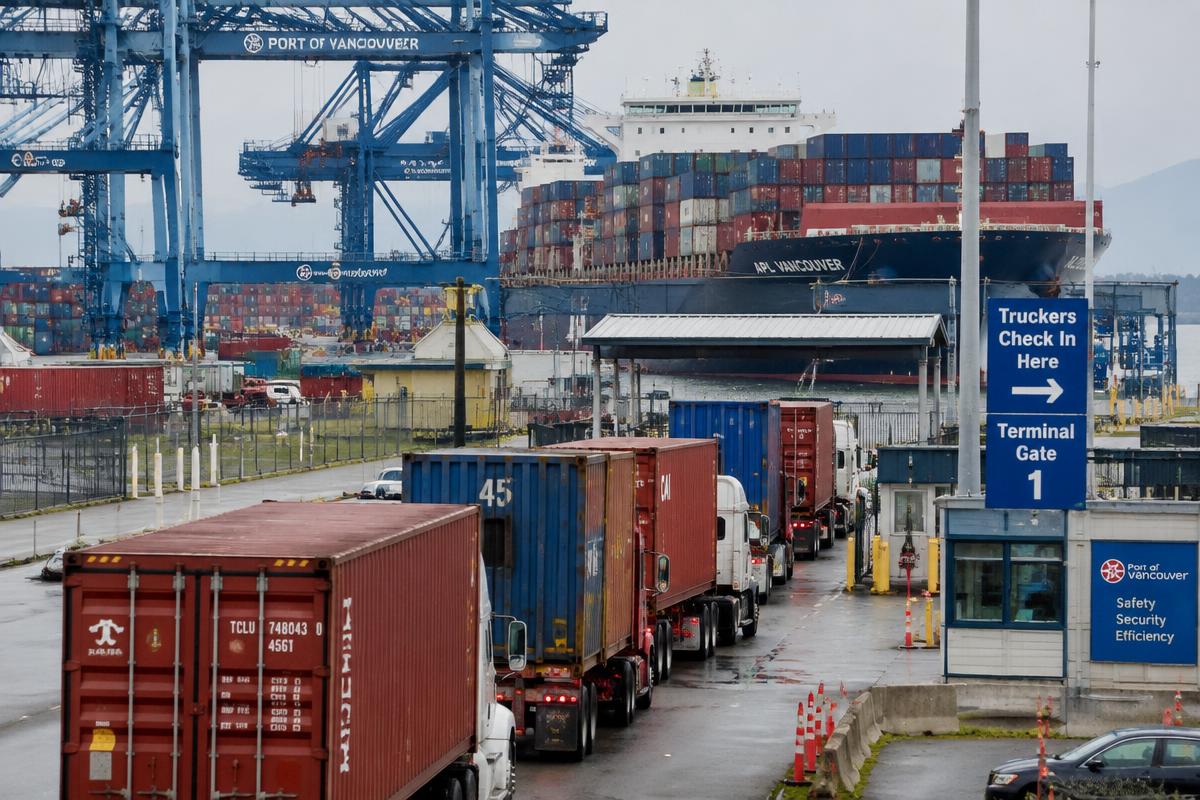
Amendments to section 107 of the Canada Labour Code set a mandatory path for deadlocked talks at key trade infrastructure. The aim is more predictable freight volumes when ports and railways face labour disputes.
- Arjun Vishwanth
Border paperwork: the 'Tell-Us-Once' portal
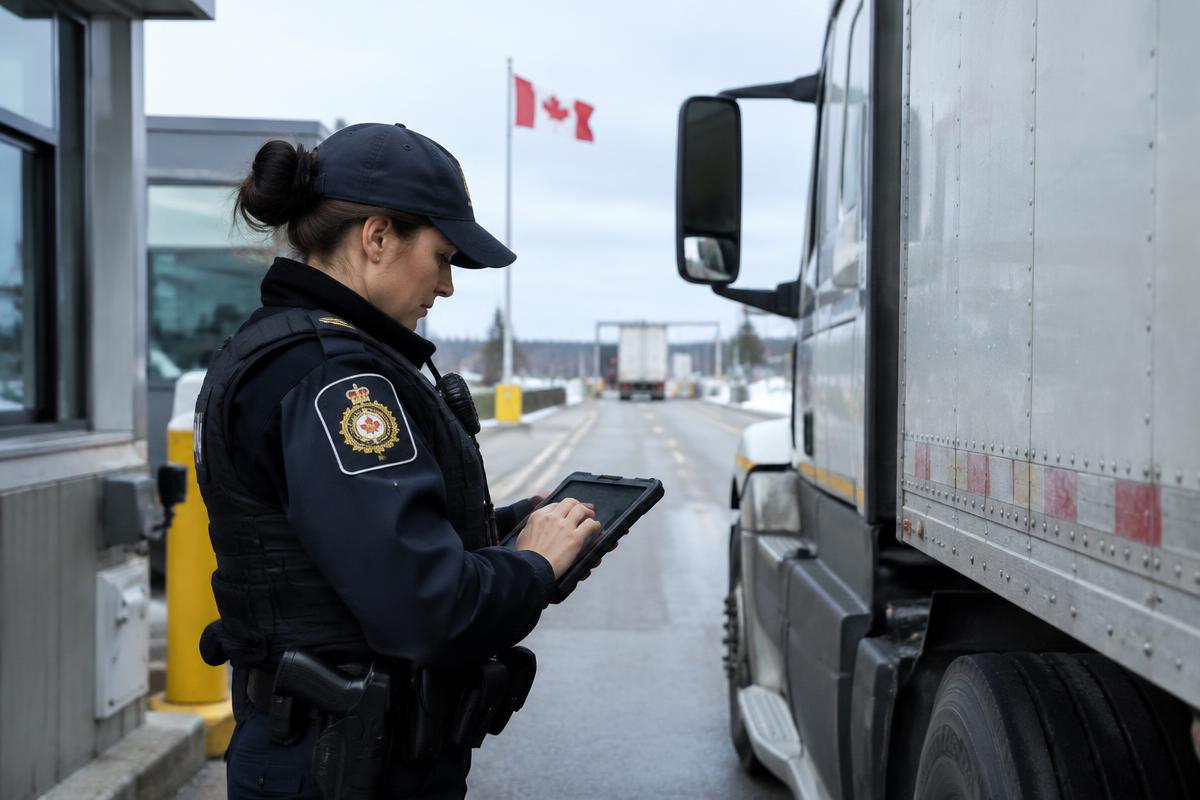
Part 2 introduces the Enabling Digital Trade Act — a framework for sharing freight data once across CBSA, CFIA and Transport Canada. For mid-sized fleets this could mean fewer idle hours at the border and less duplicate data entry.
- First postArjun Vishwanth
First post: Why your trucking company is ready for this shift
Bill C-39 is about building a modern, digitized supply chain, not targeting carriers. We set out the three parts most relevant to fleets: digital trade, labour stability at ports and rail, and contractor classification.
Read the full article →
General information only, not legal advice. Reading this page does not create a lawyer-client relationship.