New civil procedure rules, AI verification mandates and appellate rulings reshape Ontario litigation
O. Reg. 275/26 brings mandatory quotation certification and all-digital appellate filings, while the Court of Appeal clarifies jurisdiction over AI copyright claims.

Updates
 Leena Kumar@leenakumarFamily, Civil & Insolvency
Appeals by the numbers: 13 months, one in four succeeds
Data from the Court of Appeal's latest annual report indicates civil appeals take an average of 13 months from filing to decision, roughly one in four civil appeals succeeds, and self-represented litigants now appear in nearly one-third of incoming civil appeals — context every litigant should weigh before commencing an appeal.
 Maryam Noorzad@maryamnoorzadCorporate & Commercial
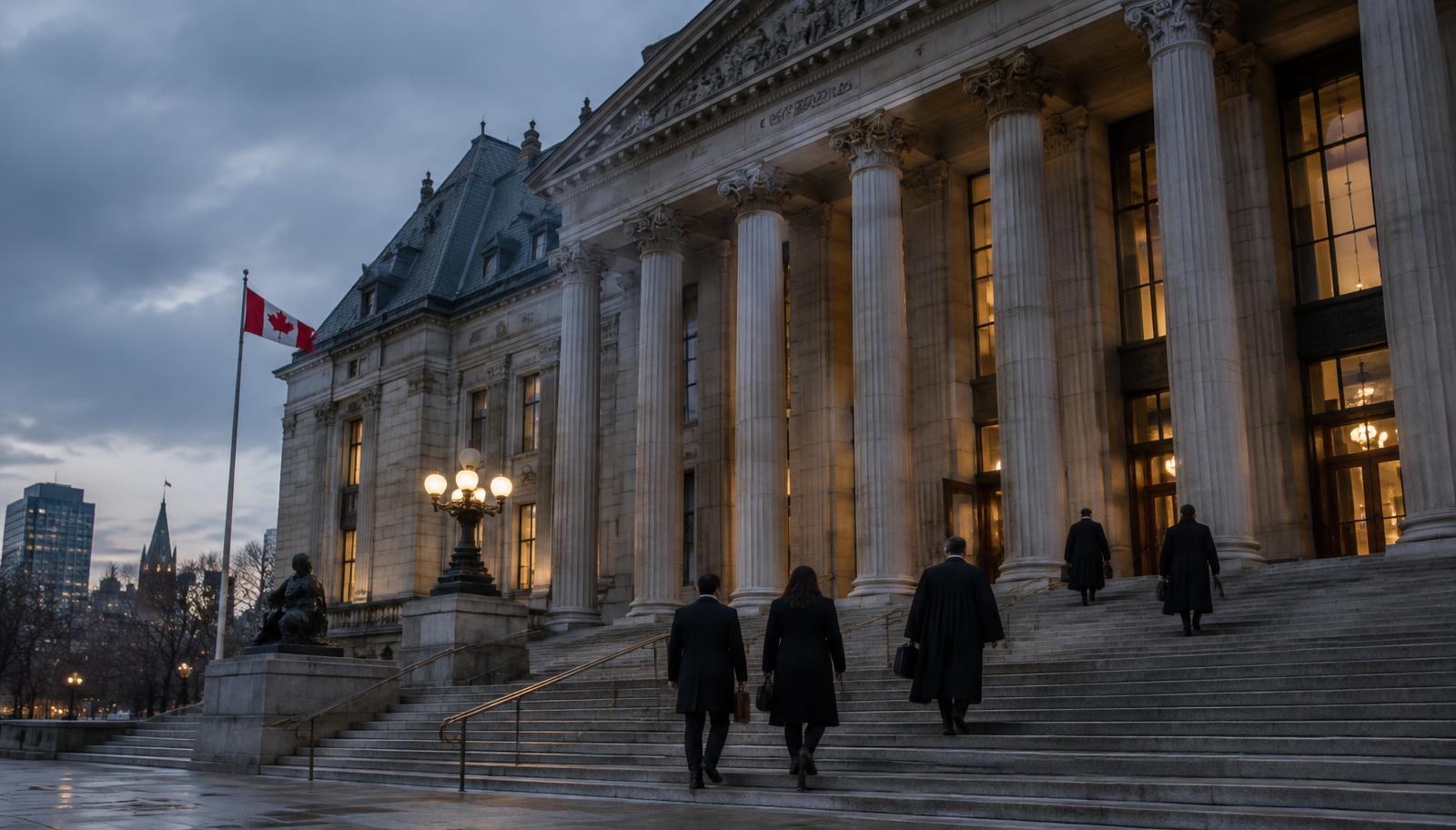
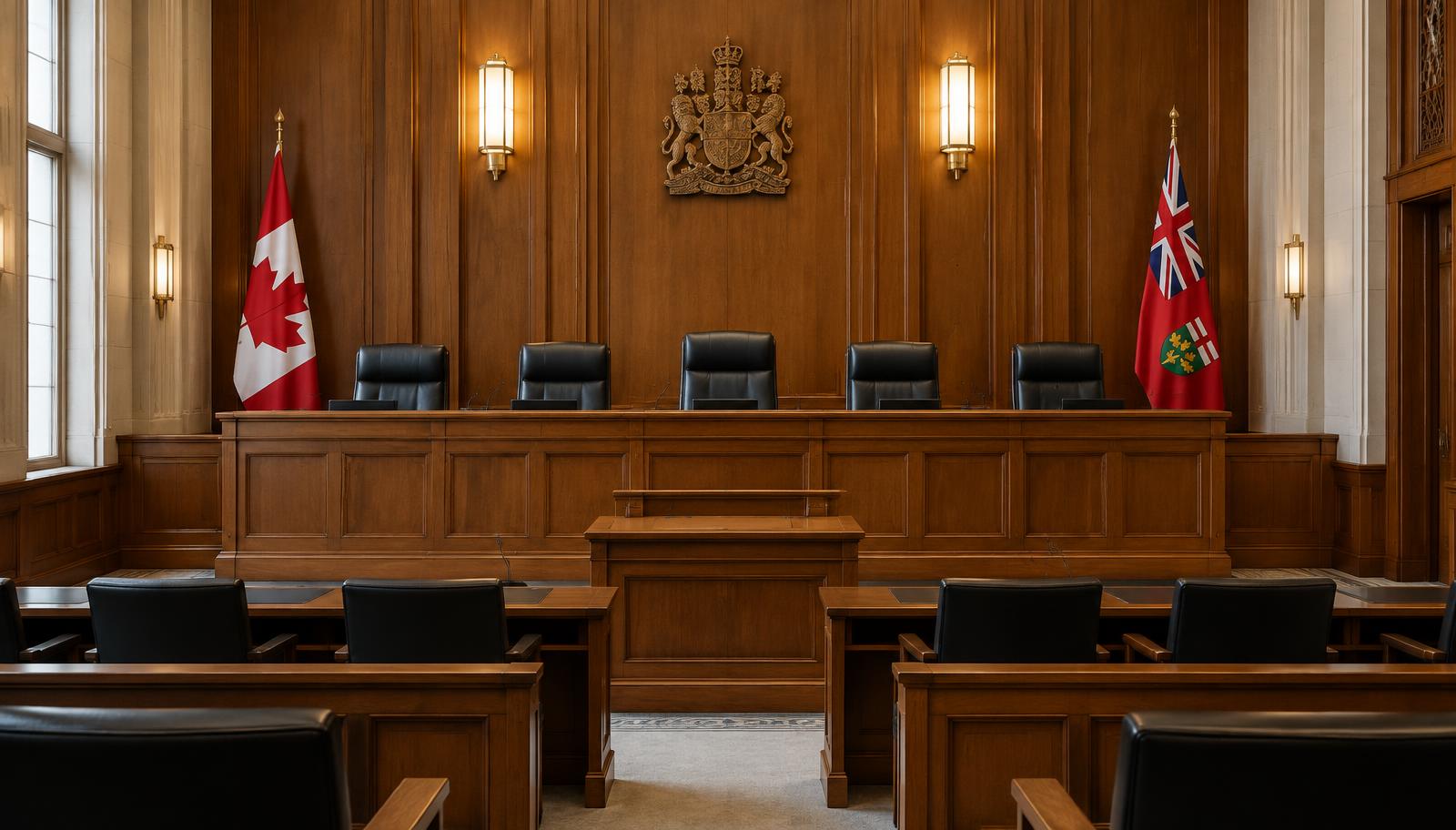
Court of Appeal confirms Ontario jurisdiction over AI copyright claims
On November 17, 2026, the Ontario Court of Appeal upheld a lower court ruling confirming that Ontario courts have jurisdiction to hear Canadian news organizations' copyright infringement lawsuit against OpenAI over the training of large language models. Recent appellate decisions have also reinforced freedom of contract — upholding limitation-of-liability clauses in pre-construction real estate agreements while scrutinizing non-competition covenants in franchise disputes and employer delays in just-cause dismissals.
- Arjun Vishwanth@arjunvishwanthTransportation & Civil Litigation
Phased Civil Rules Review advances toward faster resolution
Building on the joint commitment by Attorney General Doug Downey and former Chief Justice Geoffrey Morawetz, reforms are rolling out in targeted phases focused on reducing interlocutory motions, simplifying pleadings and cutting discovery delays. The Ontario Civil Rules Committee is also advancing dedicated procedural rules governing AI-generated evidence and deepfakes in civil trials.
- Leena Kumar@leenakumarFamily, Civil & Insolvency
Hard-copy appellate filings end as digital portals take over
Hard-copy filing requirements have been eliminated in both the Court of Appeal for Ontario and the Divisional Court, coinciding with expanded digital filing through the Ontario Court of Appeal Public Portal. Single-judge review motions now carry a default presumption of being heard in writing, and self-represented litigants are explicitly bound by the same signing and certification rules as counsel.

 Vyshnavie Manmatharajah@vyshnaviemanmatharajahArticling Student at Law
Mandatory quotation accuracy certification targets AI hallucinations
Under O. Reg. 275/26, in effect since September 2026, lawyers signing factums and expert witnesses signing Form 53 reports must formally certify that every quotation attributed to a legal or technical authority accurately reflects the source text — a direct response to the risks posed by generative AI hallucinations in court filings.

- First postArjun Vishwanth@arjunvishwanthTransportation & Civil Litigation
First post: Ontario's civil litigation landscape is modernizing fast
Targeted amendments to the Rules of Civil Procedure, phased Civil Rules Review reforms and major rulings from the Ontario Court of Appeal are reshaping civil litigation in late 2026 — aiming to curb AI-related fabrications, streamline appellate filings and clarify jurisdictional boundaries in commercial and technology disputes.
- practicePRO — Amendments to the Rules of Civil Procedure, O. Reg. 275/26
- Ontario e-Laws — O. Reg. 352/26 (forms)
- Canadian Lawyer — Ontario Rules of Civil Procedure amendments take effect
- Ontario Court of Appeal — Public Portal
- Ontario Superior Court of Justice — Joint statement on the Civil Rules Review
- Legal 500 — Civil appeals by the numbers: a decade of Court of Appeal data
Ask Arjun and our team.
Tell us briefly what's happening. We'll reply by email.
General information only, not legal advice. Reading this page does not create a lawyer-client relationship.