Navigating a personal injury claim in Ontario: frequently asked questions
Whether you were hurt in a car accident, a slip and fall or another incident: what makes a valid claim, the deadlines that matter, what you can recover and how settlements happen.

Updates
 Samoy Gordon@samoygordonReal Estate & Landlord-Tenant
What to do right after an accident
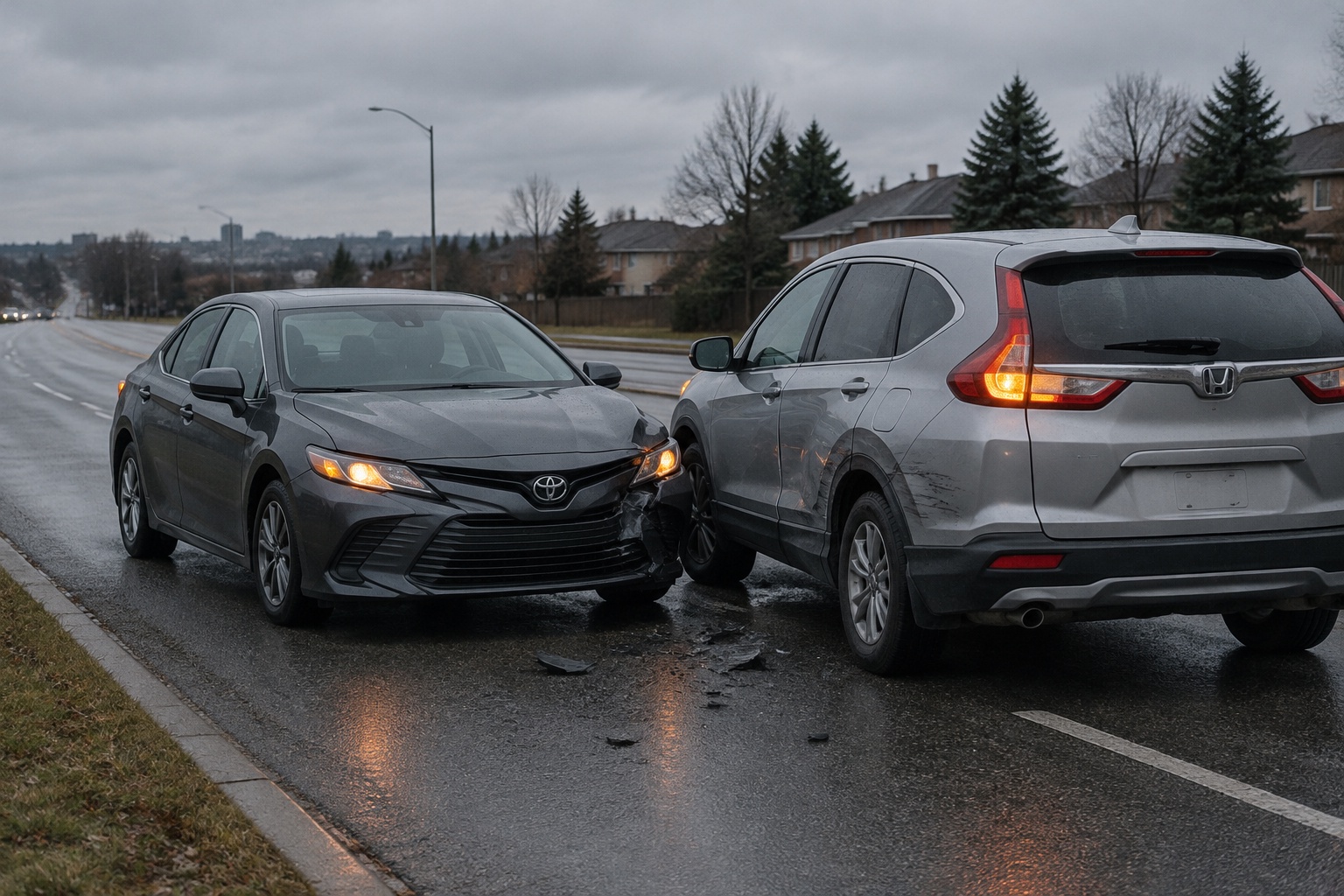
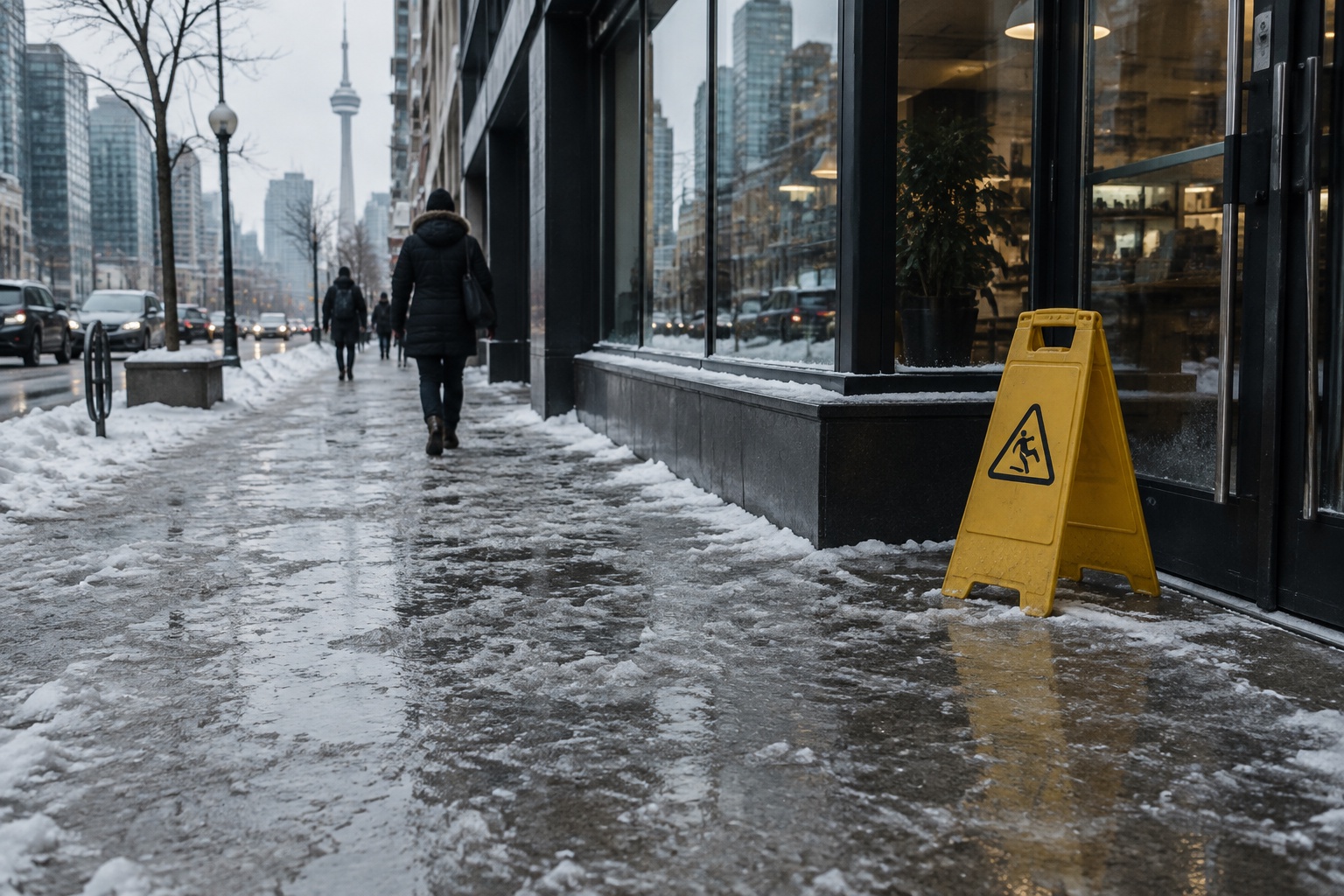
Get medical attention right away and make sure every symptom is documented. Report the incident — a police report for collisions, or to the property manager or store supervisor for a fall, and ask for a copy. Photograph the scene, hazards such as ice or a wet floor, vehicle damage and visible injuries, and collect witness names and numbers. Stick to basic facts with insurance adjusters and avoid recorded statements or signing releases before speaking with a lawyer. This is general information, not legal advice; notice deadlines vary with the facts, so consult an Ontario personal injury lawyer promptly.
 Maryam Noorzad@maryamnoorzadCorporate & Commercial
What does a personal injury lawyer cost?
Most Ontario personal injury lawyers work on a contingency fee basis: no hourly rates or upfront retainers, and the fee is a pre-agreed percentage of the settlement or award recovered. Before you sign, the lawyer must explain the percentage, how disbursements such as medical records and expert reports are handled, and give you the Law Society of Ontario’s consumer guide on contingency fees.

 Vyshnavie Manmatharajah@vyshnaviemanmatharajahArticling Student at Law
Will you have to go to court? Usually not
Most Ontario personal injury cases settle out of court. Most lawsuits must go through mandatory mediation before trial: a confidential meeting where a neutral mediator helps you, your lawyer and the insurer negotiate. Your lawyer prepares as if the case is going to trial, but most claims resolve through negotiation or mediation long before a courtroom.
- Arjun Vishwanth@arjunvishwanthTransportation & Civil Litigation
Car accidents: how Ontario’s no-fault system works
No-fault does not mean no one is blamed; it means you deal with your own insurer for immediate support regardless of who caused the crash. Statutory Accident Benefits (SABS) cover rehabilitation, income replacement and attendant care even if you caused the accident. Separately, a tort claim against the at-fault driver’s insurer can recover pain and suffering, excess income loss and future care — but pain and suffering claims must meet a strict threshold (permanent, serious disfigurement or impairment of an important function) and are subject to a statutory deductible.
 Leena Kumar@leenakumarFamily, Civil & Insolvency
What compensation can you recover?
Damages aim to put you back where you would have been had the accident never happened. Depending on the case, you may claim pain and suffering, past lost wages and future loss of earning capacity, medical and rehabilitation costs not covered by OHIP or private insurance (physiotherapy, chiropractic care, medications, assistive devices), housekeeping and home maintenance help, and out-of-pocket expenses such as travel to appointments.

- Samoy Gordon@samoygordonReal Estate & Landlord-Tenant
Deadlines: two years to sue, and much shorter notice periods
Under Ontario’s Limitations Act you generally have two years from the accident (or from when you discovered the injury) to start a lawsuit; missing it usually means losing the right to sue. Shorter notice deadlines apply: for a slip and fall on ice or snow, written notice to the owner or contractor within 60 days under the Occupiers’ Liability Act; for injuries on municipal property, written notice to the municipal clerk within 10 days; after a car accident, notify your own insurer within 7 days and submit your accident benefits application within 30 days of receiving the forms.
- First postArjun Vishwanth@arjunvishwanthTransportation & Civil Litigation
First post: do you have a valid personal injury claim?
Suffering a serious injury because of someone else’s negligence can turn your life upside down. To succeed in an Ontario personal injury claim you generally need to prove three things: the other party owed you a duty of care (drivers must follow traffic laws; property owners must keep walkways reasonably safe), they breached it through careless action or inaction, and that negligence directly caused your physical, emotional or financial losses. Even if you were partly at fault, you may still recover — under contributory negligence your compensation is reduced by your share of fault.
Ask Arjun and our team.
Tell us briefly what's happening. We'll reply by email.
General information only, not legal advice. Reading this page does not create a lawyer-client relationship.